Postpartum Hair Loss: Is It Normal, When Should You Worry, and Why "It'll Grow Back" Isn't Always the Whole Story
Contents
Postpartum hair loss is one of the most searched and least honestly answered topics in women's health. If you're a few months after having your baby and finding hair on your pillow, wrapped around the shower drain, coming away in your brush in quantities that frighten you, this post is for you. The standard reassurance is that it's temporary, hormonal, and will resolve within twelve months.
For many women, that's true. But for a significant number, it isn't, and the culture of reassurance that surrounds this topic is quietly stopping women from getting the investigation their body is actually asking for.
I'm Ruth Collis, Consultant Trichologist based in Haywards Heath, and postnatal hair loss is one of the most important presentations I see in clinic.
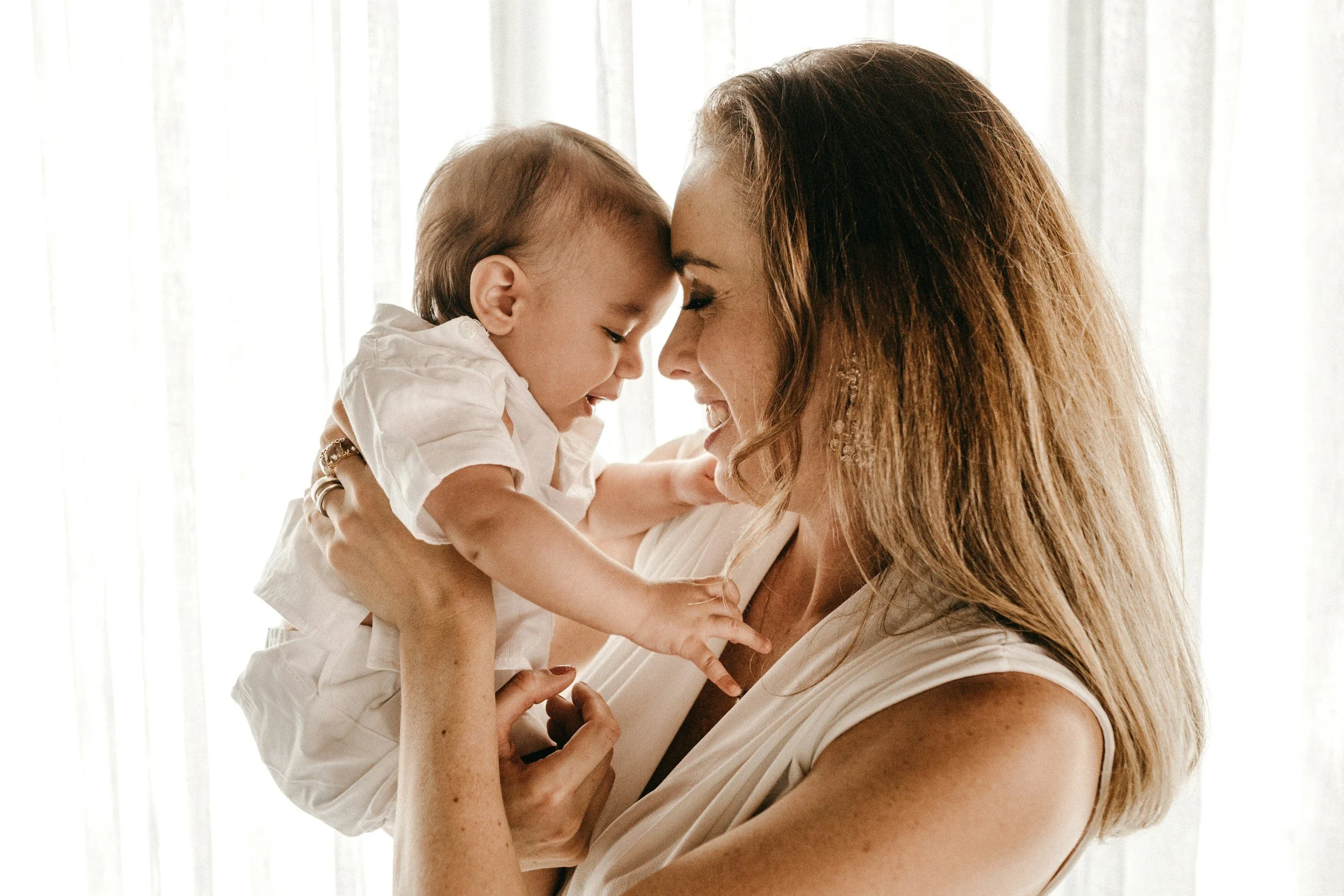
What causes dramatic hair loss after pregnancy?
During pregnancy, elevated oestrogen keeps hair in its growth phase for longer, which is why many women enjoy noticeably thicker, fuller hair while pregnant. After birth, oestrogen drops sharply, and a large proportion of those hairs enter the shedding phase simultaneously. The result is the dramatic, often frightening shed that typically begins two to four months after delivery.
That part is well understood. What is less often said is that this hormonal drop doesn't happen in isolation. It happens in a body that has just spent nine months growing a human being, an enormous physiological demand on every available nutrient, energy reserve, and metabolic resource. It happens in a body that may have lost significant blood during labour, that is now running on broken sleep, possibly breastfeeding, and managing levels of physical and emotional demand that are difficult to overstate.
The health you bring into a pregnancy matters enormously, and this is the part of the postpartum hair loss conversation that is almost entirely absent. UK women now rank 41st out of 142 countries in a global women's health index, having slipped significantly in recent years. Chronic disease is rising. Metabolic health is declining. Women are having babies later, which brings its own hormonal complexities. IVF and assisted conception involve significant hormonal interventions that affect the body's regulatory systems long after the process is complete. Many women arrive at pregnancy already nutritionally depleted, with low ferritin, low vitamin D, compromised gut health, without knowing it, because nobody checked.
When the demands of growing a baby, giving birth, and recovering afterwards land on a body that was already running low, the hair loss that follows is not just a normal hormonal adjustment. It is the body sending a signal that something needs attention. And that signal deserves to be heard, not dismissed.
Why "it'll grow back" isn't always the whole story
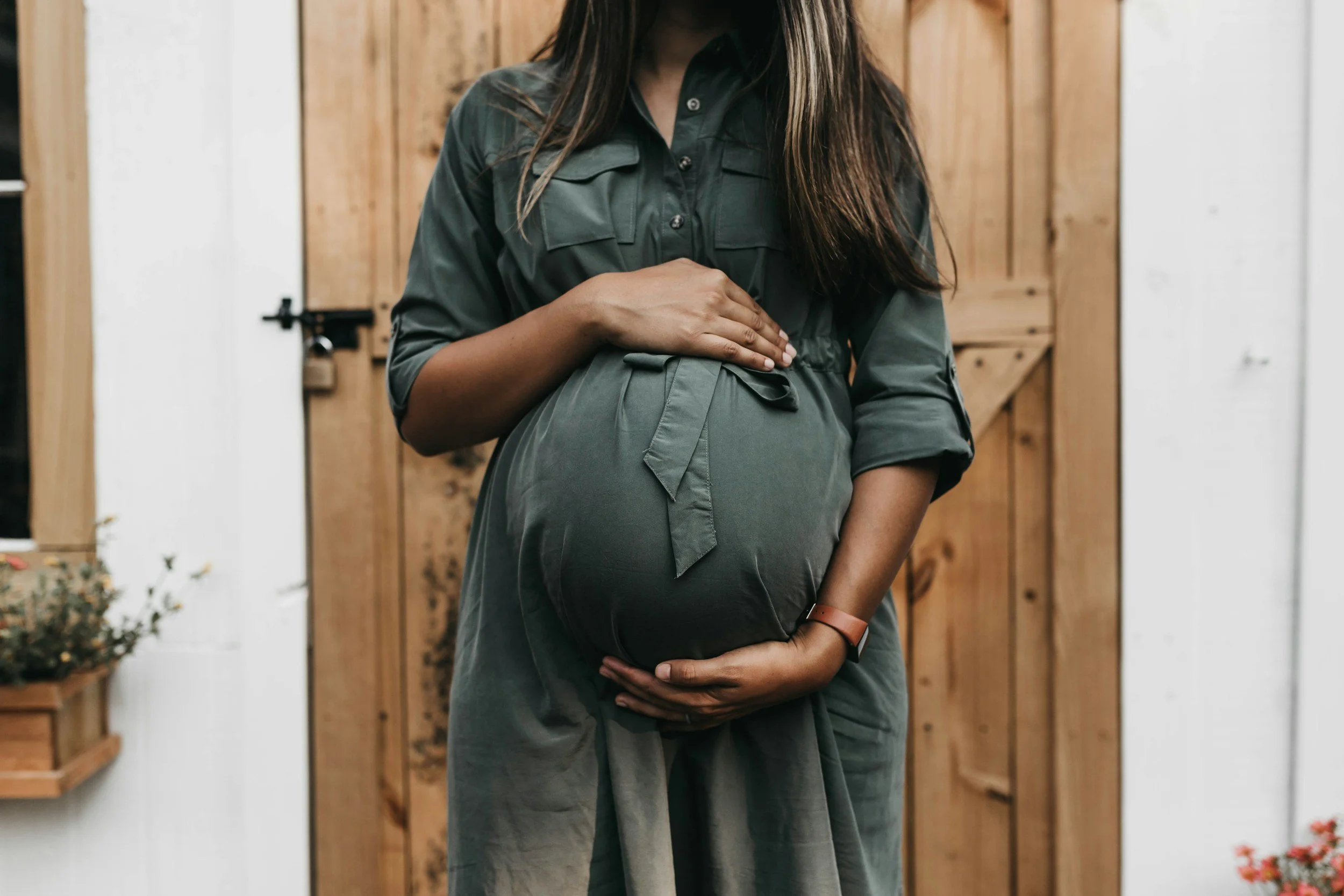
Here is where I want to be direct, because the internet isn't.
The standard advice, that postpartum hair loss resolves within twelve months, that it's hormonal and temporary, that you should wait it out, is true for some women. It is not true for all of them. Right now there is a wave of influencer content promoting serums and scalp treatments for women who are just four months postpartum, encouraging them to spend money on products for a condition that may need proper investigation, not a serum. Applying something topical to a problem that hasn't been properly identified is not a treatment. It is a very expensive way of waiting.
I see patients who waited. Who were told it would pass. Who finished breastfeeding and waited some more. Who came to me a year, sometimes two years, after their hair loss began, by which point what started as postnatal hair loss had unmasked or accelerated an underlying pattern of hair loss that had been quietly developing all along. The longer it goes uninvestigated, the more complicated the picture becomes, and the harder it is to unpick.
And here is what nobody talks about: research using records from over 34,000 women in England found that nearly 40% did not have a postpartum six-week check recorded. Even for the women who did, that appointment is largely a check on whether your stitches have healed. The baby gets examined thoroughly. You get asked how you're feeling. Nobody is running blood tests. Nobody is checking your ferritin, your thyroid, your nutritional status, any of the things that will directly determine how your body, and your hair, recovers over the following months.
Meanwhile the reality of those early weeks looks something like this: you are sleeping in fragments, living on the biscuits that well-meaning visitors keep bringing, fielding a constant stream of guests while trying to keep the house presentable, demand feeding through the night, running on coffee and adrenaline, and putting yourself last on every list. These are not trivial lifestyle factors. They are the environment your hair is trying to recover in. When that environment is one of chronic sleep deprivation, nutritional gaps, and unrelenting physical and emotional demand, the hair will reflect it. Nobody talks about this side of postpartum hair loss. But it is inseparable from it.
Postpartum hair loss as a messenger, not just a symptom
This is the thing I most want new mothers to understand, and the thing that most often gets left out.
Postpartum hair loss can be one of the few visible, undeniable signals the body sends that something internally needs attention. In that sense, as distressing as it is, it can also be a gift, because it brings women in for the investigation their body has been asking for, sometimes for years.
I have seen patients whose iron deficiency had been present for years, sometimes decades, never identified. Who haemorrhaged during delivery on top of iron levels that were already low during pregnancy. Whose heavy periods then depleted their stores further in the months that followed. For these women, the hair loss was not the problem. It was the messenger. And finding it, investigating it properly rather than waiting for it to pass, changed everything. Not just for their hair, but for their overall health.
This is why I will never tell a patient to simply wait. Because waiting means the underlying cause continues unchecked. Because every month that passes without a proper diagnosis is a month in which the hair cycle is being disrupted, and in which any underlying condition is being given more time to establish itself. The earlier this is investigated, the better the outcome. Not just for the hair, for the whole person.
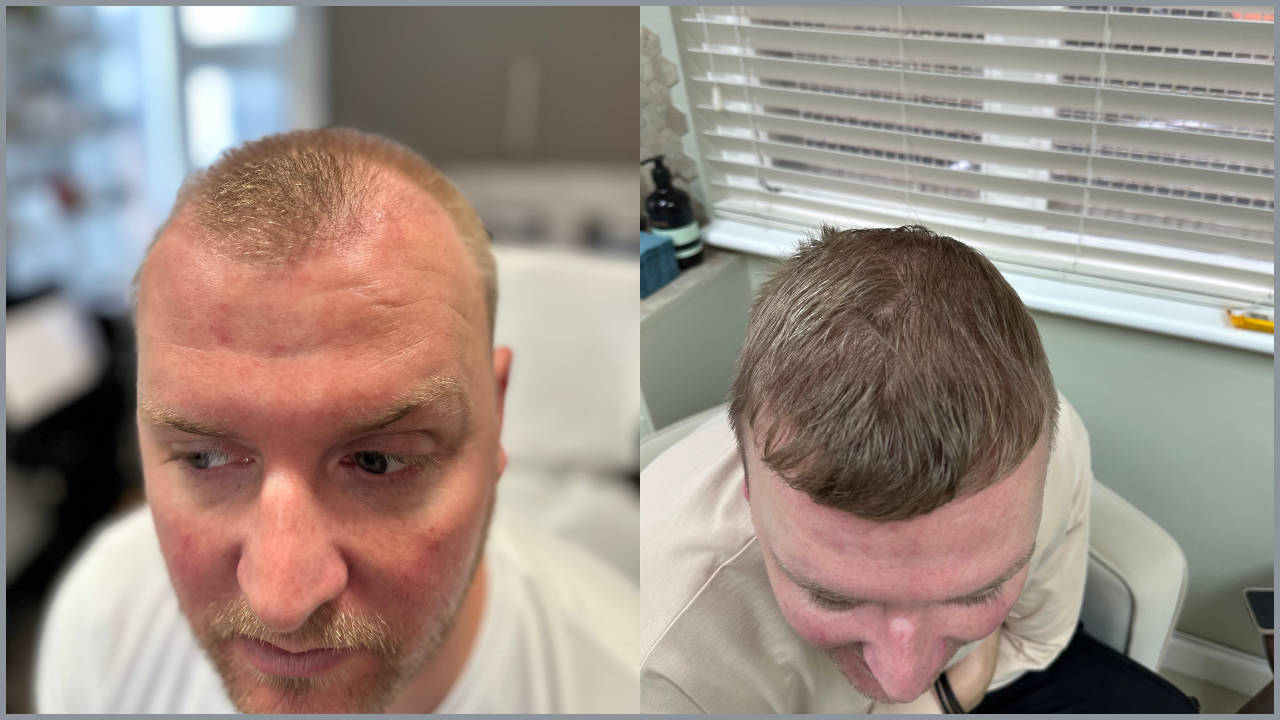


Should I cut my hair if I have postpartum hair loss?
This is one of the most searched questions around postnatal hair loss, and the honest answer is: regular trims are genuinely a good idea, but not for the reason most people think.
Micro trims every six to eight weeks help keep the mid-lengths and ends of your hair in the best possible condition during recovery. Here is why that matters: the new hair growing through after postpartum shedding is finer, shorter, and more vulnerable than your existing hair. If you have long hair, it will take years for that new growth to reach your ends. In the meantime, your mid-lengths and ends, which are older, have experienced more weathering, heat styling, and general wear, are taking the brunt of daily handling and are far more prone to breakage.
If the ends are splitting faster than the new growth can replace them, your hair will never feel like it's recovering, even when the follicle itself is doing exactly what it should. Regular, small trims protect what you have while the new growth catches up. If the hair is looking very wispy and thin at the ends, a more meaningful cut may genuinely help the overall appearance and health of what remains.
What a haircut will not do is address whatever is driving the loss at the root. It is a supportive measure, not a solution.
When to stop waiting and book a consultation
If your postnatal hair loss has continued beyond what feels reasonable, or if it is heavier, more distressing, or simply doesn't feel right, please don't wait until you've finished breastfeeding, or until the baby's first birthday, or until someone else tells you it's serious enough. Trust what your body is telling you.
I offer consultations from my clinic at 143a South Road, Haywards Heath RH16 4LY, supporting women across Mid Sussex and West Sussex. A first appointment includes a full scalp analysis, a detailed clinical history, and honest guidance on whether what you're experiencing is within the range of normal recovery, or whether there is something else going on that deserves proper attention.
If your instinct is telling you something isn't right, that instinct is worth listening to.
Frequently Asked Questions
When does postpartum hair loss start?
Most women notice increased shedding around two to four months after delivery, with peak loss typically between four and six months. This delay is due to the hair growth cycle, the trigger happened at birth, but the visible shedding follows weeks to months later.
How long does postpartum hair loss last?
For many women, shedding slows significantly by twelve months. But this is not a universal timeline, and waiting it out without investigation is not always the right advice, particularly when loss is heavy, prolonged, or accompanied by other symptoms.
Will my hair grow back after pregnancy?
In many cases, yes. But the rate and quality of regrowth depends on what is driving the loss, and whether any underlying contributing factors have been identified and addressed. It'll grow back is not a complete answer for every woman.
What is the best remedy for postpartum hair loss?
The most effective first step is understanding what is actually causing it. Without that, any remedy is guesswork. Products marketed for postpartum hair loss are largely unregulated and have little clinical evidence behind them. A proper assessment gives you a clear, personalised answer.
What vitamins are good for postpartum hair loss?
This is one of the most important questions I get asked, and the honest answer is that supplementing without knowing whether a deficiency actually exists is not recommended. Iron is frequently cited as helpful for postpartum hair loss, but taking iron when levels are normal can cause oxidative stress and do more harm than good. Biotin is widely promoted but has very little clinical evidence behind it unless a deficiency is confirmed. Vitamin D is a reasonable exception in the UK, where most people are deficient due to limited sun exposure, but even then, testing first is always preferable. If you suspect a nutritional cause, the right step is a blood test, not a trip to the supplement aisle.
What causes dramatic hair loss after pregnancy?
The sudden, heavy shed many women experience postpartum is usually telogen effluvium, a large proportion of hairs entering the shedding phase simultaneously following the hormonal shift of delivery. But dramatic or prolonged loss can also indicate iron deficiency, thyroid dysfunction, or an underlying hair loss condition that the hormonal shift has unmasked. Dramatic loss that doesn't ease is always worth investigating.
Should I cut my hair if I have postpartum hair loss?
Regular micro trims are genuinely helpful during recovery, not because they affect the loss itself, but because they protect your mid-lengths and ends while new growth catches up. If your ends are splitting and breaking faster than the new hair can replace them, your hair will never feel like it's recovering. A cut addresses the condition of what's there. A consultation addresses what's driving the loss.
What happens to your body 3 months postpartum?
Three to four months postpartum is typically when postpartum hair loss becomes most visible, because the hormonal trigger happened at birth and the hair cycle has a built-in delay. It is also a time when iron and ferritin levels may be at their lowest, particularly if there was blood loss during delivery or breastfeeding has continued. Fatigue, mood changes, and hair loss all appearing together at this stage are not coincidental. They are often connected, and all warrant attention.
A note on this blog
I write these posts because I want new mothers to have honest information, not just reassurance. If anything here has resonated, my door is open.
Ruth Collis AIT
Consultant Trichologist & PRP Hair Loss Expert
Haywards Heath, West Sussex
