What is a trichologist — and when should you see one instead of your GP?
Contents
If you’ve been struggling with hair loss and wondering whether your GP is really the right person to help, you’re asking exactly the right question. Most people don’t know that a specialist for hair and scalp conditions exists outside of the NHS, that you can access one without a referral, and that the wait is considerably shorter than a dermatology appointment.
Today I want to explain what a trichologist actually is, what distinguishes a properly qualified one from the many people who use the title, and how to know when seeing a trichologist, rather than your GP, is the right first move.
I’m Ruth Collis AIT, Consultant Trichologist, based in Haywards Heath, West Sussex, and these are questions I’m asked almost every week
What is a trichologist?
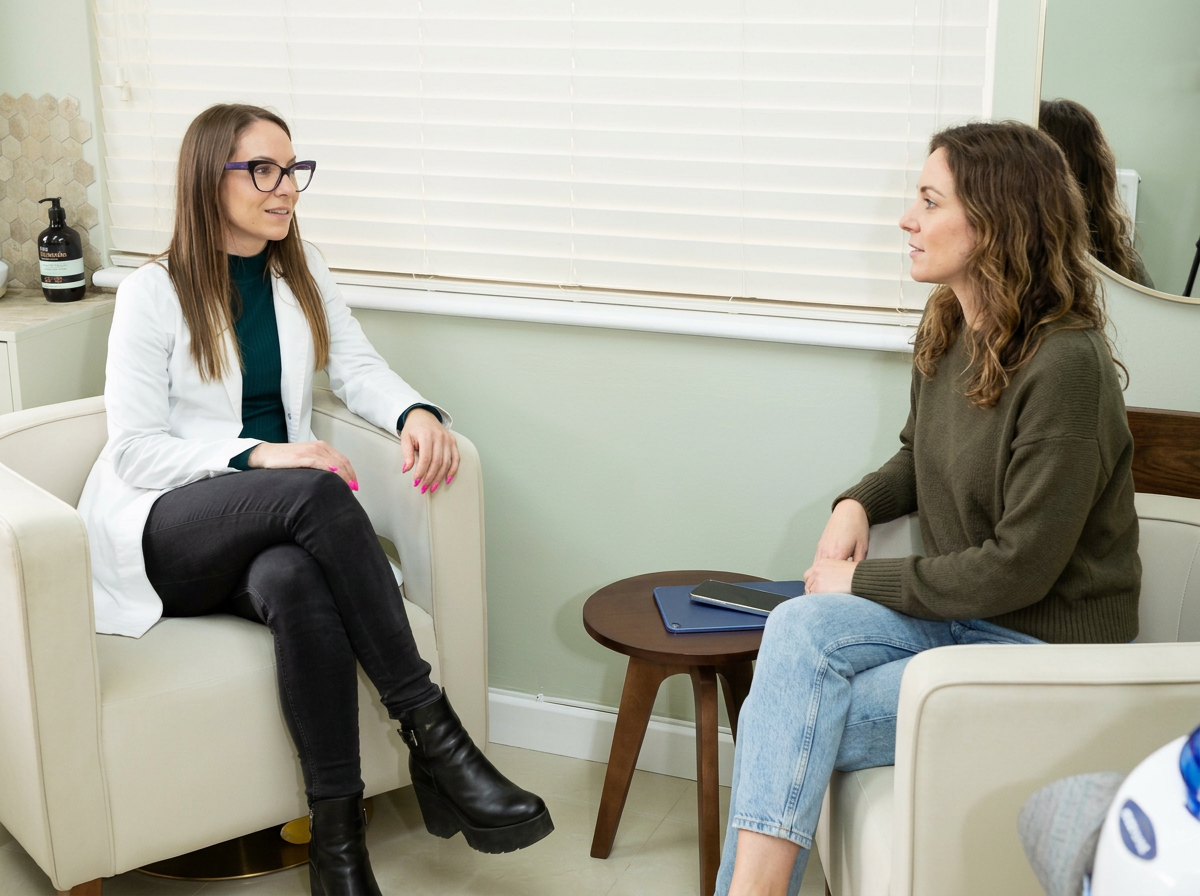
A trichologist is a specialist in hair loss and scalp conditions. The simplest way to understand the role is this: in the same way that a chiropodist is not a medical doctor but is a trained specialist in the feet, a trichologist is not a medical doctor but is a trained specialist in the hair and scalp. We are medically trained, but not medically qualified. That distinction matters, and it’s worth understanding what it actually means.
A qualified trichologist trained through the Institute of Trichologists undertakes close to three years of intensive study covering subjects including anatomy and physiology, immunology, microbiology, chemistry and dermatology, alongside clinical practice with real patients. It is a rigorous, broad medical education focused specifically on hair and scalp health and disease.
Where a GP needs an enormous breadth of knowledge across the whole body, a trichologist’s training and day-to-day clinical practice are focused specifically on the hair and scalp. We spend our working lives examining hair loss and scalp conditions, recognising different patterns and understanding the many factors that may be contributing to what a patient is experiencing.
And importantly, hair loss isn’t always simply a problem with the hair itself. I often describe hair as a barometer of health. Changes in the hair can be a visible sign that something else is happening within the body, which is why trichology looks beyond the symptom and considers the whole person, rather than simply looking at the hair in isolation.
Not all trichologists are the same — and this matters
This is something I feel strongly about saying clearly, because the title “trichologist” is not protected by law in the same way that titles such as doctor or nurse are. In practice, this means that people using the title can have very different levels of education, clinical training and experience. So, if you’re looking for a trichologist, it’s important to know what you’re actually looking for.
The Institute of Trichologists, founded in 1902, has been setting professional standards in trichology in the UK for more than a century. Its registered members have undertaken recognised training and are expected to meet standards of professional practice and conduct. This is also where the Professional Standards Authority accreditation becomes important, and I think we should verify the precise current wording for that claim before we finalise this paragraph.
Beyond qualifications, trichologists can vary considerably in their clinical experience and areas of specialism. Trichology covers a broad range of hair-loss and scalp conditions, and practitioners naturally develop particular areas of expertise as their careers progress.
So when choosing a trichologist, I would look beyond the word on the website. Check their qualifications, professional registration, clinical experience and whether their expertise is relevant to the problem you’re experiencing.


What can a trichologist help with?
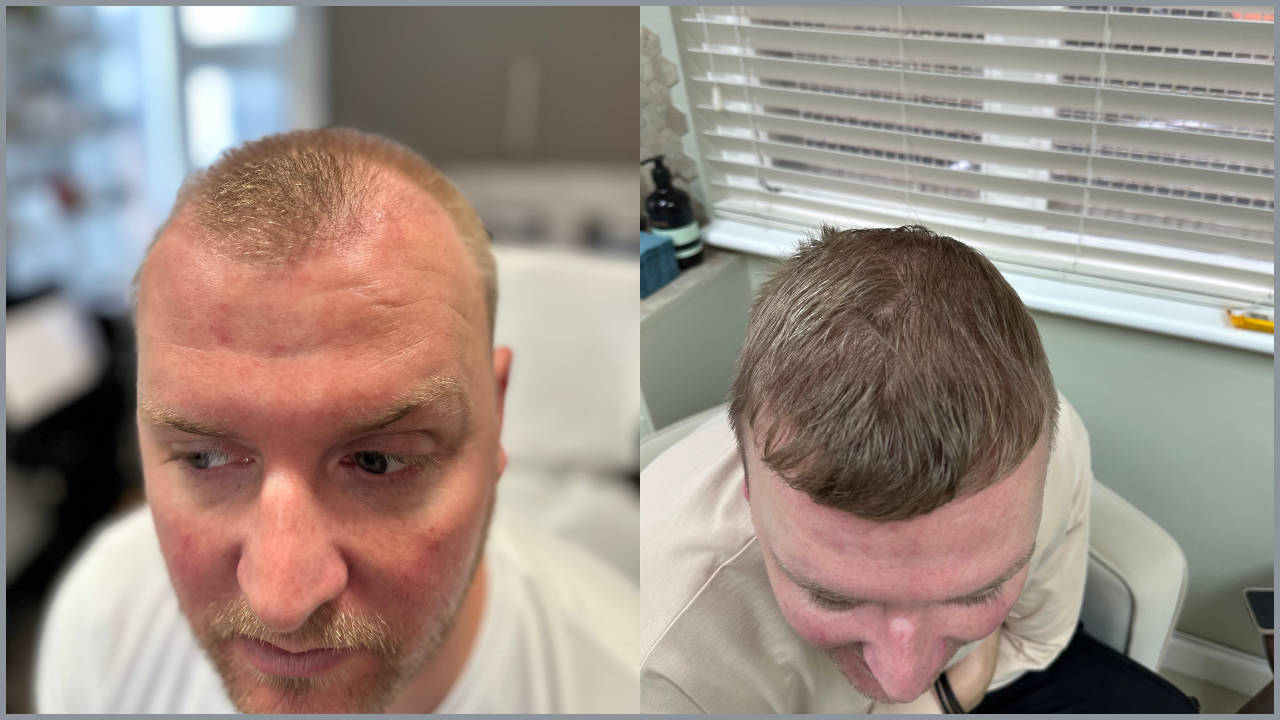
Trichologists work with a wide range of hair loss and scalp conditions, from sudden or excessive shedding through to progressive thinning, pattern hair loss and more complex changes to the hair and scalp. And because different types of hair loss can look remarkably similar to the person experiencing them, understanding what you’re actually dealing with is an important first step.
Within my own practice, I work extensively with male and female pattern hair loss, acute and chronic telogen effluvium and hormonal hair loss across different stages of life, including perimenopause, postmenopause and medically induced menopause. I also have a particular clinical interest in hair loss associated with cancer treatment, including chemotherapy and the hormonal consequences of breast cancer treatment.
Many of the people I see don’t arrive knowing what type of hair loss they have. They simply know that their hair has changed. It may be shedding more, becoming progressively thinner, changing in density or behaving differently from how it used to.
And that’s really the point. You don’t need to diagnose your own hair loss before seeing a trichologist. Working out what is happening, what may be contributing to it and what needs to happen next is part of our job.
I think that reads much better. It also avoids turning the blog into a catalogue of conditions or giving the reader enough information to start matching symptoms to diagnoses themselves
When should you see a trichologist instead of your GP?
This is probably the question I’m asked most often, and the answer is: sooner than many people realise.
Your GP is there to look after your health across an enormous range of conditions, whereas a trichologist’s clinical focus is specifically hair loss and scalp conditions. Hair loss can be complex, and understanding what is happening often requires much more than simply looking at the area that’s thinning or arranging a standard set of blood tests.
A first trichology consultation with me typically lasts 45 to 60 minutes. That gives us time to take a detailed clinical history, examine your hair and scalp closely and explore the wider picture, including your medical and hormonal history, medications, nutrition, lifestyle and the timeline of what’s been happening with your hair. In more complex cases, where several factors or hair-loss conditions may be coexisting, the assessment can take considerably longer.
You also don’t need a GP referral to see a trichologist. You can book directly, and in many cases this means accessing specialist hair and scalp advice considerably sooner than you might through an NHS dermatology referral.
That doesn’t mean your GP and your trichologist are an either/or choice. There are circumstances where medical investigation, prescribed treatment or referral to another healthcare professional is needed, and a properly qualified trichologist should recognise when that is the case and refer appropriately.
But if your hair is shedding, thinning or changing and you don’t understand why, you don’t need to wait until it becomes significantly worse before seeking specialist advice. You can start with a trichologist.
So, is a trichologist the right next step for you?
If you’ve been trying to understand why your hair is changing and you’re ready for a proper assessment rather than more guesswork, seeing a qualified trichologist may be the right next step.
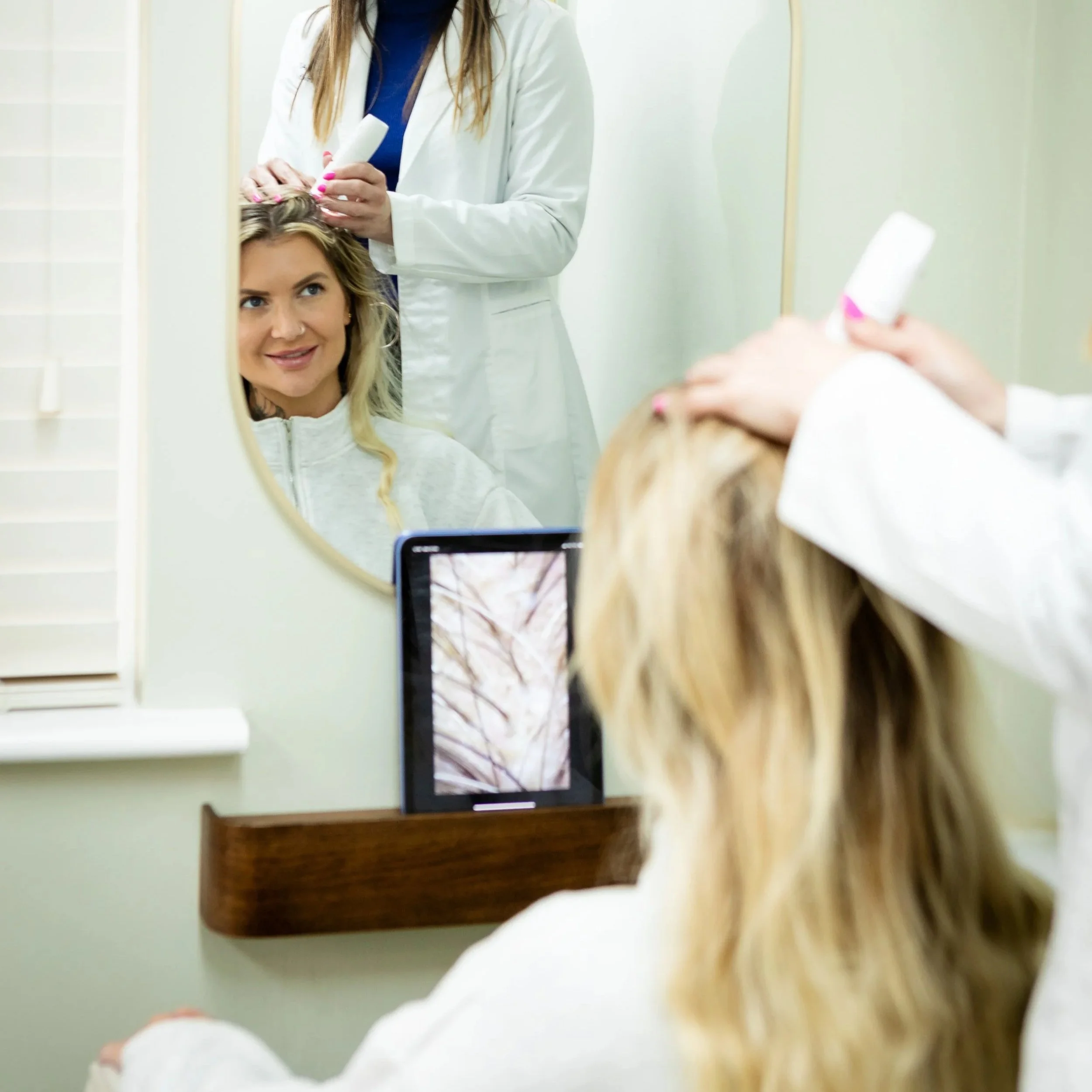
At your first consultation, we’ll take the time to look at the whole picture. This includes a detailed clinical history alongside a thorough examination of your hair and scalp using specialist equipment. I’ll explain what I believe is happening, whether anything further needs investigating and what your realistic options are moving forward.
My clinic is based in Haywards Heath, West Sussex, and I see patients from across Mid Sussex and the surrounding areas. You don’t need a GP referral to book.
If your hair is changing and you want to understand why, this is where to start.
Frequently Asked Questions
What does a trichologist do at a first appointment?
A first consultation involves much more than simply looking at your hair. I take a detailed clinical history, examine your hair and scalp using specialist equipment and look at the wider factors that may be relevant to what you’re experiencing. If further investigation is needed, such as blood testing or input from another healthcare professional, I’ll explain what I recommend and why.
Do I need a GP referral to see a trichologist?
No. You can book directly with a trichologist without a GP referral. If something comes up during your consultation that requires medical investigation or treatment, I can advise you when it’s appropriate to involve your GP or another healthcare professional.
What is the difference between a trichologist and a dermatologist?
A dermatologist is a medically qualified doctor specialising in conditions affecting the skin, hair and nails. A trichologist is medically trained, but not medically qualified, with specialist training focused specifically on hair and scalp conditions. The two professions can work alongside each other, and a qualified trichologist should refer onwards when something requires medical diagnosis, investigation or prescribed treatment.
How do I know if a trichologist is properly qualified?
Because the title “trichologist” is not legally protected, it’s important to check someone’s training and professional registration rather than relying on the title alone. Look at where they trained, whether they belong to a recognised professional body and their clinical experience in the type of hair or scalp problem you’re experiencing.
Is trichology available on the NHS?
Trichology consultations are generally provided privately rather than as an NHS service, and you don’t need a referral to book. Your GP can still be an important part of the process where medical investigation, treatment or onward referral is required.
Where is your trichology clinic?
My clinic is based in Haywards Heath, West Sussex, and I see patients from across Mid Sussex and surrounding areas, including Burgess Hill, East Grinstead, Crawley, Brighton and Hove.
Why getting the right advice matters
Hair loss can be incredibly difficult to navigate when you don’t know who to turn to or what information to trust. One of the reasons I write these blogs is to make specialist information about hair and scalp health more accessible, so that people understand when something deserves further investigation and where they can go for the right support.
If there’s one thing I’d like you to take away from this article, it’s that you don’t have to wait until your hair loss becomes severe to ask for help. And you certainly don’t need to arrive at a consultation already knowing what’s wrong. That’s our job.
Ruth Collis AIT
Consultant Trichologist & PRP Hair Loss Expert
Haywards Heath, West Sussex
